CIPD Level 5 qualification: take your Human Resources career to the next level
Looking to take your human resources career to the next level? Consider the CIPD Level 5 qualification!


Looking to take your human resources career to the next level? Consider the CIPD Level 5 qualification!

CIPD membership provides access to resources, training, and networking opportunities to support professional development and improve HR and L&D practices.

A CIPD qualification can propel you towards the next step of your HR or L&D profession by giving you the skills and credibility you’ll need to succeed as a professional.

A CIPD qualification can provide a wealth of knowledge, skills and competencies which can significantly elevate your career. With a tailored learning plan, you can gain insight into key HR processes and skills needed to excel in the job market, such as performance management and recruitment. You will also benefit from practical, real-life insights from experienced HR professionals. This will help you to understand the complexities of the field, develop best practices and gain the confidence to pursue a successful career in HR. A CIPD course can provide the steppingstone you need to reach your career goals.
The Chartered Institute of Personnel and Development (CIPD) is a professional body for those involved in the field of human resource management. They provide training, qualifications, knowledge and resources to help HR professionals develop their skills and advance their careers.
The CIPD offers three qualifications in the fields of Human Resources (HR) and Learning and Development (L&D). These qualifications provide a framework for professionals to demonstrate their knowledge and understanding of the key principles of HR and L&D theory and practice. The qualifications are split into three parts: CIPD Level 3 (Certificate), CIPD Level 5 (Diploma) and CIPD Level 7 (Advanced Diploma). Each qualification provides the opportunity to specialise and further develop their skills in the field.

Yes, it is definitely worth doing a CIPD qualification as it provides professionals with an understanding of the fundamentals of HR and L&D, as well as practical skills to further their career advancement.
A Level 3 qualification can open up a wealth of opportunities within the fields of HR and L&D, such as managing teams, implementing policies and procedures, understanding employment law and the role of reward and recognition.
The CIPD Level 5 qualification, like any course, may be challenging at times, depending on a person’s learning style and approach. However, it can also be very rewarding and beneficial for an individual, as the qualifications equip them with the knowledge and skills necessary to excel in their profession. Professional tutors at CIPD approved providers are available to support and guide learners through the Level 5 courses.
Doing a CIPD Level 5 qualification is definitely worth it for those who are interested in furthering their HR or L&D career. The Level 5 provides individuals with a comprehensive overview of the key principles of HR and L&D, as well as the ability to apply this knowledge in real-world scenarios. This qualification will provide professionals with the desired skills they need to develop and further their career in the field.
Level 7 qualifications are the highest CIPD qualification and are equivalent to postgraduate degree studies. It is a professional qualification which focuses specifically on the HR and L&D field. It is crafted to provide individuals with the skills and knowledge necessary to excel in their profession.
To learn about our professional CIPD training courses, contact us, give us a call on +971 4 440 5190 or Alternatively follow us on LinkedIn and Facebook to stay Up to date.

Studying for CIPD may not be that easy, especially if you are someone who has had a long break from academia and are looking to restart your education journey. But you will have to begin from somewhere if you wish to take your career to greater heights by studying for a CIPD qualification
Here, we have written a few pointers after referring to our team of tutors on how to study for CIPD. Consider these if you are embarking on a journey to acquire a CIPD qualification:
So, these are just a few tips that can help you study CIPD efficiently. In case you need more help or have queries, you can consult our experts at Bradfield.
Bradfield has been a trusted partner of the CIPD for over 30 years. We offer qualifications and consulting services worldwide to public and private sector organisations in various industries, such as finance, oil and gas, pharmaceuticals, leisure, education, and retail.
To learn about our professional CIPD training courses, CIPD Level 3 qualification, CIPD Level 5 qualification and CIPD Level 7 qualification. Contact us, give us a call on +971 4 440 5190 or Alternatively follow us on LinkedIn and Facebook to stay Up to date.

The CIPD Level 7 qualification is the most prestigious qualification available to HR and L&D professionals is aimed at developing strategic leaders. On successful completion of the L7 you will become an Associate Member of CIPD. If you have the relevant professional experience you will be able to apply for Chartered membership.
CIPD is an abbreviation for the Chartered Institute of Personnel and Development, the HR and people development professional body.
The CIPD Advanced Diploma in Strategic Learning and Development or CIPD Advanced Diploma in Strategic People Management are Advanced level qualifications that are comparable to postgraduate level study.
No, you do not have to finish CIPD Level 5 before beginning level 7.
This qualification galvanises learners with a depth and breadth of understanding of people practice and management to furnish them with the insight and strategy development skills required to operate and lead in an organisational setting at this level.
It is suited to individuals who:
There are no formal entry requirements for the CIPD Level 7, however, Bradfield Learning and Development will conduct a diagnostics interview to ensure that this qualification is appropriate for you.
A CIPD level 5 or Degree / Masters would be of benefit in helping to demonstrate your ability to undertake studies at this level; however what you have and are doing particularly at a strategic level in your organisation will be a vital consideration.
Through Bradfield Learning and Development you can earn:
or
A CIPD Level 7 Advanced Diploma is aimed at intensifying learners’ autonomy and judgement so that they can strategically lead and direct organisations and their people. It offers the opportunity for learners to influence people practitioners and organisations.
You can finish CIPD Level 7 in as little as 24 months if you choose to learn Online Live or Blended (incudes physical classroom).
Yes, you can complete your CIPD level 7 qualification while working full-time. Bradfield L&D has designed a variety of study options to allow you to fit your studies around your other commitments.
The Online Live study option allows you to participate in live webinars and work in groups to solve challenges and tasks while maintaining the same flexibility but with no need to attend a physical classroom.
The Blended option includes learning in a physical classroom learning in addition on online live sessions and is an option for those who prefer a more face-to-face interaction approach or have a more flexible schedule. In addition, students can interact with tutors and peers to improve their learning experience.
Are you ready to start your journey to CIPD Level 7? If you want to get your qualification, choose Bradfield Learning and Development.
Bradfield has been a trusted partner of the CIPD for over 30 years. They offer qualifications and consulting services worldwide to public and private sector organisations in various industries, such as finance, oil and gas, pharmaceuticals, leisure, education, and retail.
To learn about our professional CIPD training courses, contact us, give us a call on +971 4 440 5190 or Alternatively follow us on LinkedIn and Facebook to stay Up to date.

When you think of taking any professional course, there is one big question that always comes across your mind, Is it all going to be worth it? The decision to gain a CIPD certification requires a great amount of time, hard work and money hence, you must be well aware that the accrediting body you’ll choose is going to give you the best rewards.
A CIPD training course is an excellent way to learn the best practice people skills, this qualification helps in successfully meeting the requirements of a business and its employees. A CIPD certification could be the thing to advance your career and take it to the next level. Here we’ve outlined the incredible benefits of taking a CIPD training course:
CIPD’s qualification isn’t just the UK benchmark when we talk about people development, it’s recognised worldwide. Over 140000 CIPD members are working all over the world, which means that the skills and knowledge you’ll learn will always be in demand, no matter where you are. A CIPD certification will give you opportunities to work for organisations across the globe.
If you’re working in the HR industry, becoming CIPD certified is an additional advantage. Overall, CIPD builds your skills, advances your career, enhances your impact and offers you a badge of professionalism to put on your CV that’s internationally recognised. Completing an HR and L&D course will involve hard work, but in the last, it will improve your skills and industry knowledge.
Most organisations make CIPD a minimum qualification when it comes to hiring the right candidate. According to CIPD research, many employers ask for 2 years of experience along with a CIPD certification when looking for HR advisors. Essentially, this is the most incredible benefit of having a CIPD qualification, it will even open up so many other roles that you weren’t suitable for beforehand.
To learn about our professional CIPD training courses, contact us, give us a call on +971 4 440 5190 or Alternatively follow us on LinkedIn and Facebook to stay Up to date.
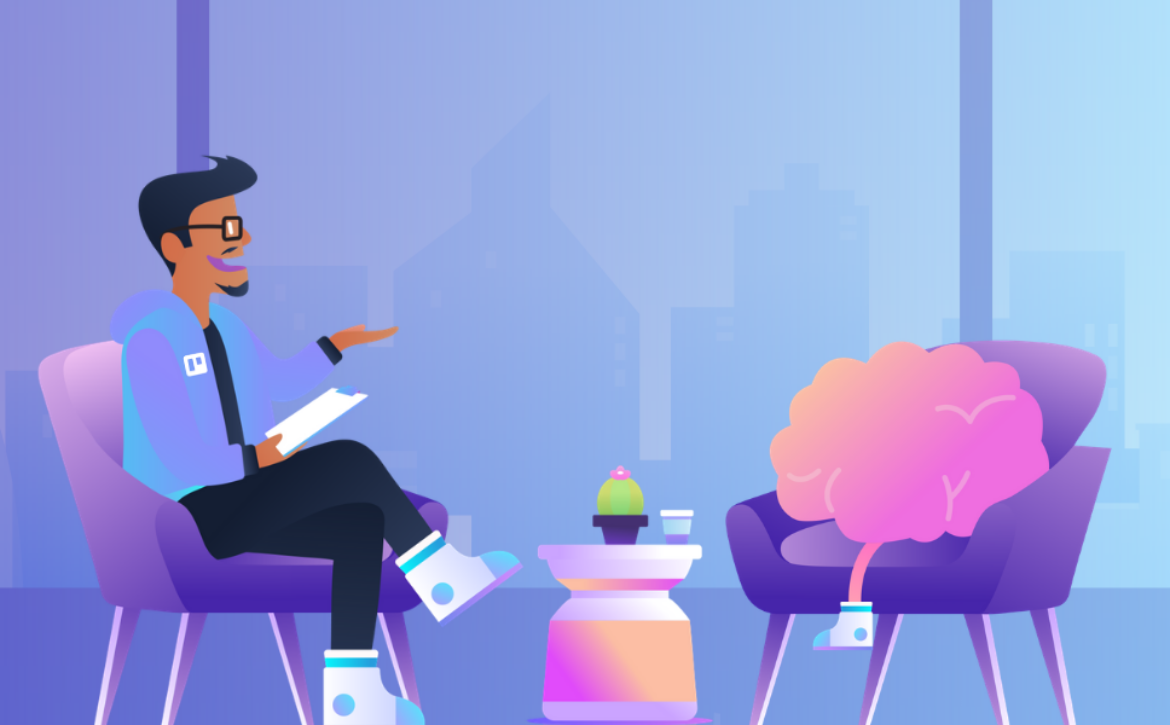
If you’re someone who’s always advised to ‘speak up, ‘participate more, or ‘not be so shy’, you probably were made to think that being an introvert is not a great thing, especially in the workplace. Well, that’s about to change. Firstly, it’s essential to know that many types of introverts exist. It’s not necessarily the person who is always turning down after-work socializing invites or the one shying away from any form of public speaking. An introvert might even be someone who has no problem expressing themselves (without necessarily taking over the room) or just someone more of a quiet leader. Instead, introversion is a trait that makes people focus more on their inner world than the world around them.
Some people prove that possessing introverted traits is not a challenge but a strength, which they used to achieve tremendous success: Warren Buffett, Bill Gates, Mark Zuckerberg, Larry Page, Marissa Mayer and many more. That said, most of us fail to see introverts’ many valuable contributions to any business. In the words of Bill Gates: “Well, I think introverts can do quite well. If you are clever, you can learn to get the benefits of being an introvert, which might be, say, being willing to go off a few days and think about a tough problem, read everything you can, push yourself very hard to think out on the edge of that area….”
Introverts listen more than they speak and take in more information and data. Instead of thinking about what to say next, introverts pay attention to every detail. Because of this, they often think things through, and their suggestions and opinions are more insightful and balanced.
You’d be surprised to know that introverts are better at teamwork in the workspace than extroverts. Instead of competing for the spotlight, introverts focus more on the job at hand.
Introverts are easy to manage because they’re usually self-motivated. They immerse themselves in their work and focus on getting the job done.
Since introverts listen more, they’re mostly quiet, calm, and collected. This calming presence provides an outstanding balance, especially in a loud, stimulating work environment.
Introverts empower the workplace in their unique ways. So now it’s time to make the workspace more comfortable for them.
Since the general view of a leader or manager is someone outspoken with a powerful and dynamic personality, introverts are sometimes overlooked or underappreciated. It is especially true in the work environment, which is highly social with policies based on an extroverted mindset.
Since introverts prefer to focus and have more control over their work, they could benefit from having the option to work remotely.
Though some office chatter is comforting and normal to most people, some might find it distracting while working on particular tasks. It would be nice to step into a quiet room for those instances.
Many introverts don’t feel heard or seen, so it might be a good idea to have regular check-ins with all employees or even have quick feedback sessions planned in such a way so that no one talks over the others.
Communicating through text or email allows an introvert to think, process, and react. In this way, they can calmly express their views.
These are just some ways we can support introverts in the workspace.
As people become more aware of the capabilities and needs of introverts, the workplace will gradually change into a place where everyone can flourish.

The pandemic has impacted the HR of every organization across the world. As a result, it became essential for leaders to prioritize employee health (both mental and physical) and safety. While rolling out new policies and guidelines for working during the lockdown, they also had to keep employee productivity levels and spirits high.
Now, though lockdowns have been lifted, the way we work might never go back to how it was before. So to be ready for this ‘new normal’ and a future that is still uncertain, companies are turning to what emerged as our saviour during this time – technology.
From developments in artificial intelligence (AI) and virtual reality to employee self-service and learning tools, technology in HR is constantly evolving. To survive and to keep their employees safe, companies had to quickly adopt a modernization process that involved the acquisition of flexible technologies. It is now the key to making any organization more resistant and ready for all the changes and challenges that come our way.
Here are some of the tech trends in HR and Operations that are helping companies adapt in a post-covid world:
With COVID, there was a need to make the workplace safe while focusing on social distancing, regular sanitizing and infection containment. Hence, that was the main focus of intelligent building innovations. But why stop there? The pandemic has taught us that we must prepare and protect ourselves from future pandemics or natural disasters, and we can do that with intelligent and resilient buildings.
Smart offices use automated processes or the Internet of Things (IoT) to self-regulate their environment and operations, from intelligent HVAC systems and environmental sensors to contactless technology and security.
For example, apps are helping to create a contactless workplace where employees can use their smartphones instead of key cards to gain access to a building or lift system. Offices will also have an occupancy monitoring system that displays the congestion levels across the building.
To support the move to a hybrid work model with minimal interruption, organizations had to implement innovative technology solutions and alter established processes to be more digital. For instance, digital platforms like Zoom, Microsoft Teams and Google Meet enabled organizations to support an interactive and collaborative work environment. In addition, with the help of cloud technology, employees had timely access to the company’s documents and data.
Technology has transformed our ability to screen, recruit, hire and train remote and on-site employees. Research also showed that AI could save time and money, help avoid the possibility of human bias and provide suitable candidate matches. Chatbots are another trending tool used in talent acquisition. They can interact with promising candidates before any virtual or in-person job interviews. Aside from recruitment, the onboarding of new employees and familiarizing them with the team and structure, without any physical contact, was only made possible through digital platforms.
The lockdown and COVID-19 restrictions accelerated the demand for digital solutions that allow leaders to provide a safe working environment for their employees. Hence, they feel comfortable coming back to the office. As people decide to return, workplace apps are continuously changing and evolving to include new features that focus on health and safety, like Employee Health Screening and Readiness Surveys.
These apps also build a community among employees to support the company culture and promote engagement. Social intranets are also effective ways to engage employees by encouraging informal interaction.
The pandemic caused organizations to move their corporate events (both formal and informal) online to accommodate COVID-19 restrictions. However, even as those restrictions begin to lift, it’s unlikely that these online events will stop.
Everything from high-impact events like Annual General Body Meetings, Town Halls, internship programs and even audits to fun and festive activities such as “Secret Santa” were carried out virtually. Soon, things got more creative with organizations planning quizzes, music concerts, virtual scavenger hunts, cocktail-making classes, Karaoke, costume parties and even dance workshops for their employees.
Another noteworthy trend in HR that is expected to stay strong is the focus on employee wellness and holistic health.
Video resources like Zoom, Skype, Microsoft Teams and Meet proved to be highly useful for conducting wellness-related webinars for off-site employees. With apps and tools designed for wellness screening, biometric tracking, health engagement and more, technology can provide a platform for employees to work on their health together, communicate and track their progress – like measuring steps in a day or minutes of meditation.
The bottom line: All businesses will need to capitalize on the latest trends in HR technology to make employees’ work life more efficient and healthy.

In 2021, nearly 20% of adults in the UK experienced some form of depression. It suggests that it affected almost one in five adults – double the number before the pandemic (around one in 10).
As we adjust to life in the post-Covid era, addressing mental health and wellness in the workplace is more than just a company perk. Instead, it has become a requirement for employees to perform at their best. Thus, organizations must develop effective workplace plans for employee mental health.
The Centre for Disease Control and Prevention (CDC) says that mental illnesses affect employees in several ways, such as:
Job performance and productivity
Even when the issues that cause depression in an employee are not directly related to work, their mental health affects their job performance. Workplace mental health matters because it affects job performance and employee retention.
Engagement with one’s work
Depression affects an employee’s level of functioning at their job. It shows up in many ways; for instance, they might have low energy or lack the motivation to complete tasks, make errors or miss deadlines, or come in late or not at all. The Mental Health Foundation suggests that 12.7% of all sickness absence days in the UK are due to mental health conditions. With their mental health in check, employees can better focus on their work with increased concentration, motivation, and drive.
Communication with co-workers
People with depression, anxiety, or mental health conditions, have different communication styles. For example, some of them take longer pauses while talking, so they get interrupted a lot or don’t get to finish what they were trying to say. People with anxiety also fidget while talking, appearing distracted or unconcerned. On the other hand, when people are in a good place mentally, their communication and interpersonal skills improve.
Physical capability and daily functioning
The CDC’s report shows that depression interferes with an employee’s ability to complete “physical job tasks about 20% of the time.” It also can cause a “35% reduction in cognitive performance”.
How employers can support employees’ mental health
Mental health shouldn’t be something that employees are expected to handle on their own and only outside of work hours. Seeing how poor mental health leads to lost productivity, increased absence, and staff turnover (among other things) benefits the employee and the company to recognize the importance of employees’ mental well-being and its positive impact on the organization’s success.
Here are some ways employers can promote awareness about the importance of mental health and stress management:
● Create an open-communication culture: The first step for any company is to promote a culture that supports mental well-being. Mental health is a personal and sensitive subject, so employees will only open up about it if they feel comfortable enough to do so. It requires a careful and comprehensive approach involving the expertise of mental health experts, policy changes, leadership training, and access to personal, confidential support lines.
● Tools: Organizations can have mental health self-assessment tools and conduct regular employee health surveys.
● Screenings: They can offer free or subsidized clinical screenings with a qualified mental health professional.
● Medical assistance: Offer health insurance with low or no out-of-pocket costs for medications and mental health counselling.
● Counseling: Provide free or subsidized therapy sessions, lifestyle coaching, or self-management programs.
● Resources: Distribute and circulate materials, like fliers, brochures, and videos, to all employees about mental health – its signs and symptoms, types of treatment, and more.
● Collaborative team events: Employees with mental health issues can sometimes feel isolated. Team meetings, lunches, team-building activities, and get-togethers are fantastic for encouraging friendships, uplifting moods, and helping people connect.
● Seminars: Host workshops that address mental health and provide stress management techniques, like mediation, mindfulness, and breathing exercises to help reduce anxiety and improve focus and motivation.
● Safe spots: Create and maintain quiet spaces for relaxation activities.
● Training: Provide leaders with training to help them recognize the signs and symptoms of emotional distress and depression in employees. Managers should also be trained to respond appropriately.
● Participation: Allow employees to participate in decisions about matters that affect their job stress.
● Get creative: Companies can introduce concepts like walking meetings, working in sprints (a period of highly focused work, followed by a short break), meeting-free days, and more.
The bottom line:
Ensuring that the employees are mentally well will help the organization succeed while improving employee health, professional fulfilment and quality of life.